
Possible Directions · Kailen.com
An independent place to stay
A place guests remember by name after they return home.
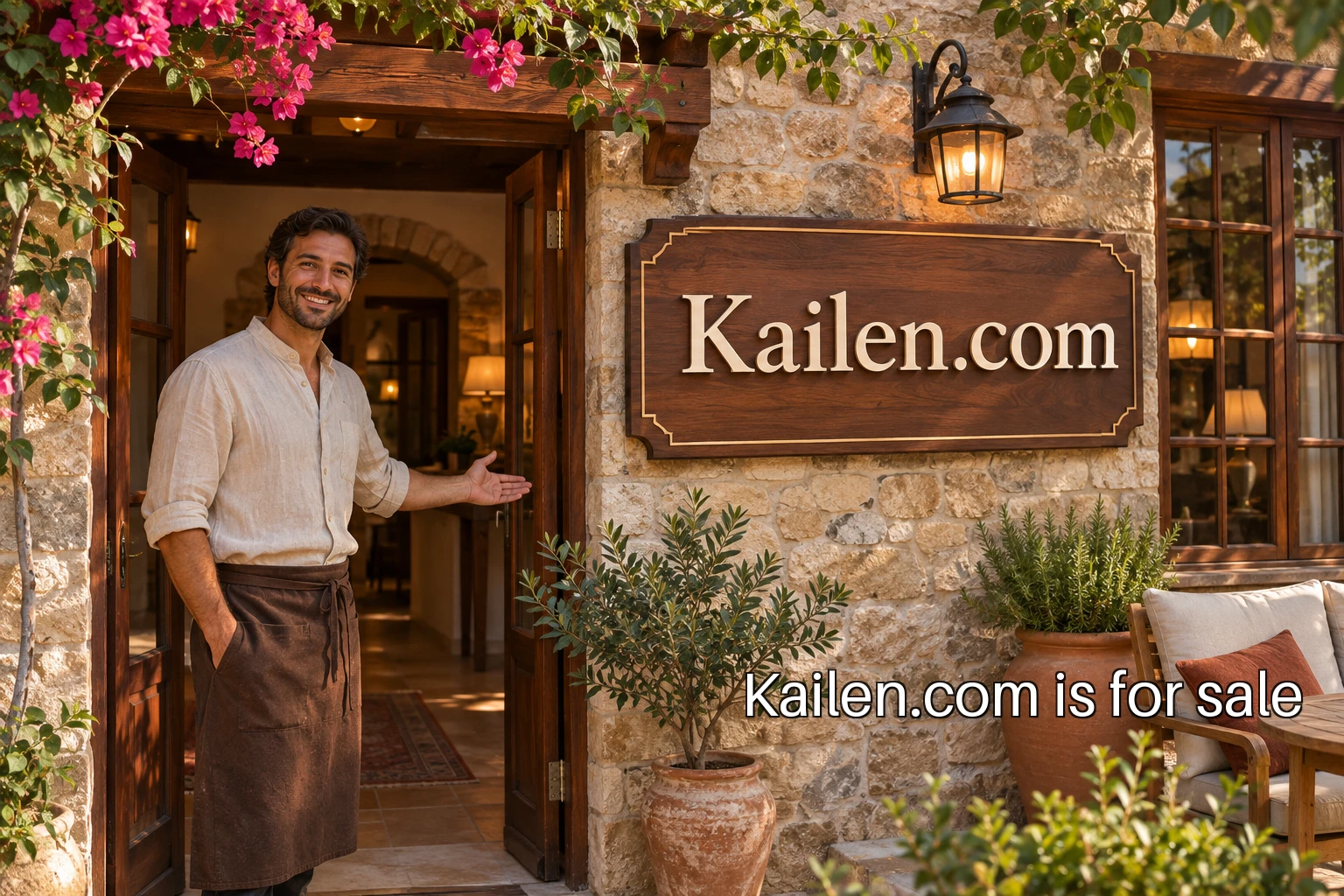
A small hospitality brand takes shape across a sequence of moments. A guest finds the property, asks a question, makes a reservation, arrives and eventually leaves. Kailen could become the name connecting that sequence for an independent place to stay, with the same care visible in the booking message and the room itself.
I would begin this concept with one property and one complete stay. A broad promise about escape is easy to write. A clear arrival plan, a comfortable room and a useful answer when something goes wrong require specific decisions. Mapping those decisions gives the founder a foundation for both operations and identity.
Choose the stay you can provide well
Describe the guest occasion before choosing the full visual system. A couple taking a short break needs different information from someone staying for a working week. Consider the length of stay, how people arrive, what they do nearby and how much contact they want with the team. Keep the first description narrow enough to guide a real room and staffing plan.
Walk through the property as that guest. Start at the point where they leave the road or arrive on foot. Where do they stop? How do they find the entrance? Where do bags go before the room is ready? Record the decisions the physical setting already answers and the ones the operation still needs to make.
Turn the description into a simple service promise that the team can deliver. It might center on a quiet base for exploring a particular area, with clear local guidance and an easy return in the evening. The promise should help the founder choose what to provide, how to describe it and what to leave outside the first offer.
Map booking as part of the experience
List the questions a guest needs answered before committing. Room layout, sleeping arrangements, access, parking, arrival times and cancellation terms may all matter. Use current property facts and have the appropriate team verify them. A beautiful photograph is most useful when it is accompanied by enough information to choose the right room.
Read the reservation process on a phone. Is the total stay clear before payment? Can the guest find the terms they are accepting? Does the confirmation say what happens next? Treat any external booking system as part of the journey and test the handoff, including the messages sent when a payment or reservation fails.
The Kailen name could appear consistently on the main website, the booking confirmation and the directions message. Use the same property name and address in each place. A small discrepancy is easy to create when several systems are involved, so maintain a short reference sheet for everyone who updates those systems.
Design arrival before adding extras
Run a trial arrival with someone who has not seen the property before. Give them only the information a guest would receive. Follow at a distance and note where they hesitate. The exercise may reveal a weak sign, an unclear doorway or directions that make sense only to the person who wrote them.
Inside the room, check the things a tired guest is likely to need first. A place to set a bag, a useful light, a clear route to the bathroom and understandable controls deserve attention. Test the experience after dark as well as during the day. Keep the room's instructions brief and put them where the relevant action happens.
Decide how guests can get help and who is responsible for answering. A small team needs a workable handoff when one person is unavailable. Practice a few ordinary problems, such as a late arrival or a missing item, and record the response. This gives the service a consistent shape before the property has a long operating history.
Let the identity follow the place
A warm palette, tactile textiles and a clear sign could suit this direction, but the actual location should supply the details. Use photography that shows the rooms and surroundings honestly. Avoid describing facilities or views that belong only to a future plan. The first website should give a guest a useful picture of the stay being offered.
Place the name at the moments where identification helps: the entrance, reservation, room information and departure note. There is no need to print it on every surface. A consistent type treatment and a small set of materials can connect the touchpoints while leaving space for the building and landscape to remain the main experience.
Prepare a small identity kit for staff and suppliers. Include the exact name, approved artwork, colors, practical message templates and the person responsible for updates. Keep operational information separate from decorative choices so a change to an arrival time can be made without redesigning the whole document.
Review the stay from the other side
After a trial stay, ask the guest to reconstruct the experience in order. What was clear before arrival? Which moment required a question? Was there anything they discovered too late? Compare that account with the original journey map and assign each repair to a person and a date.
For a future owner of Kailen.com, the next step is to map one complete stay and its operational requirements, then test it with a small number of guests. A founder can emerge with a place ready to introduce under one name, from the reservation on a phone to the sign at the entrance.
For bags, objects and small stays